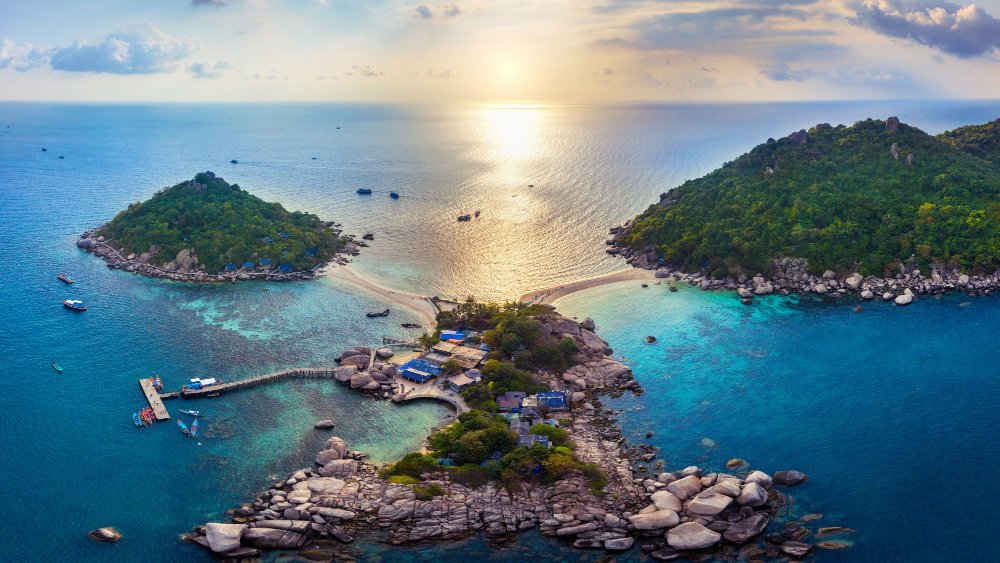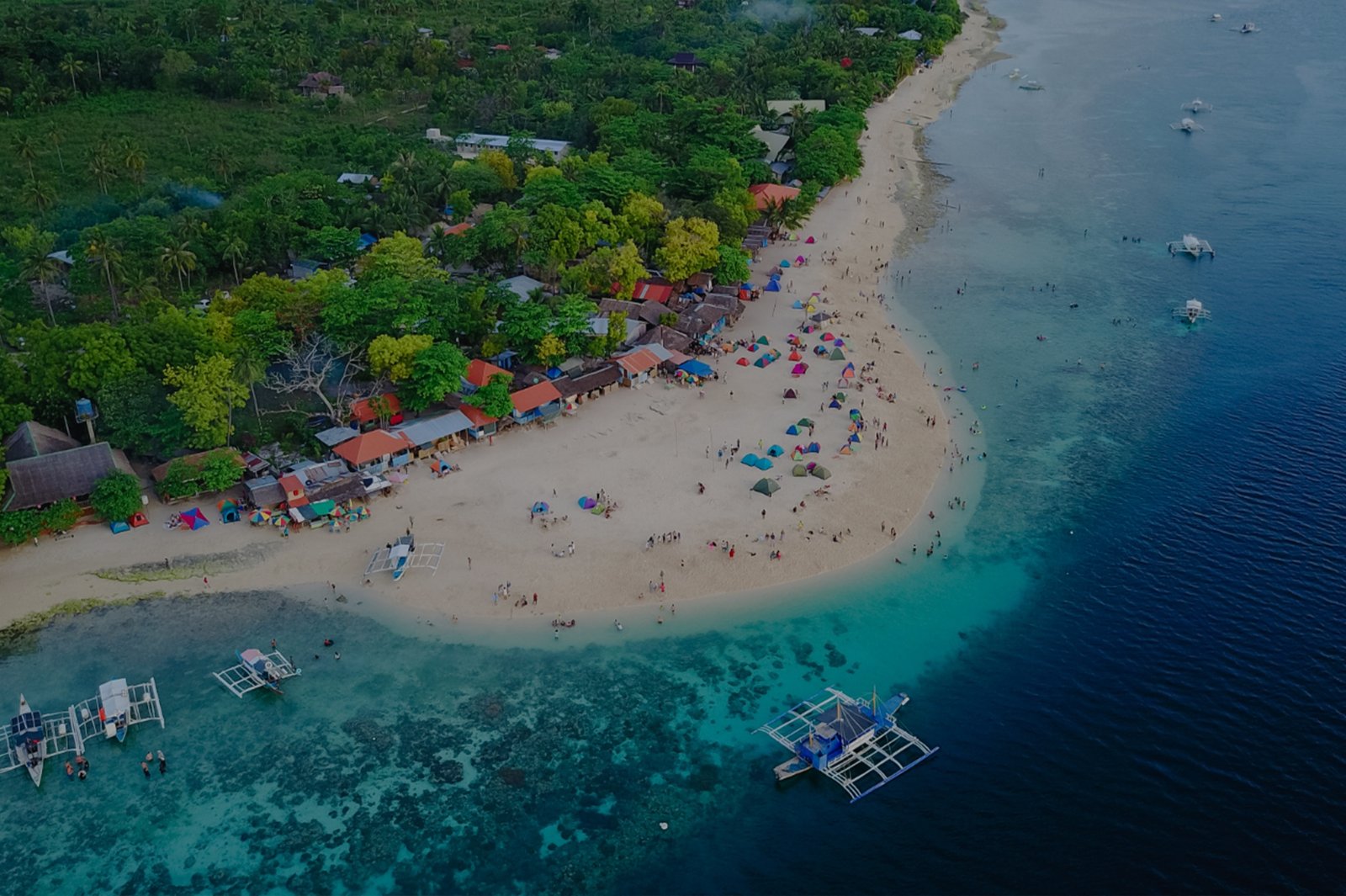
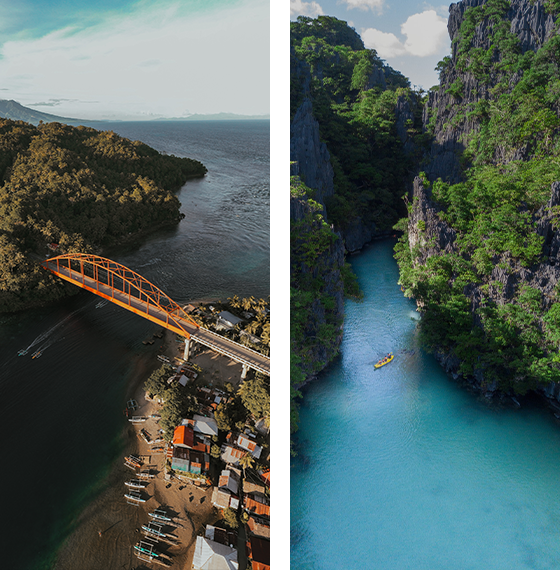
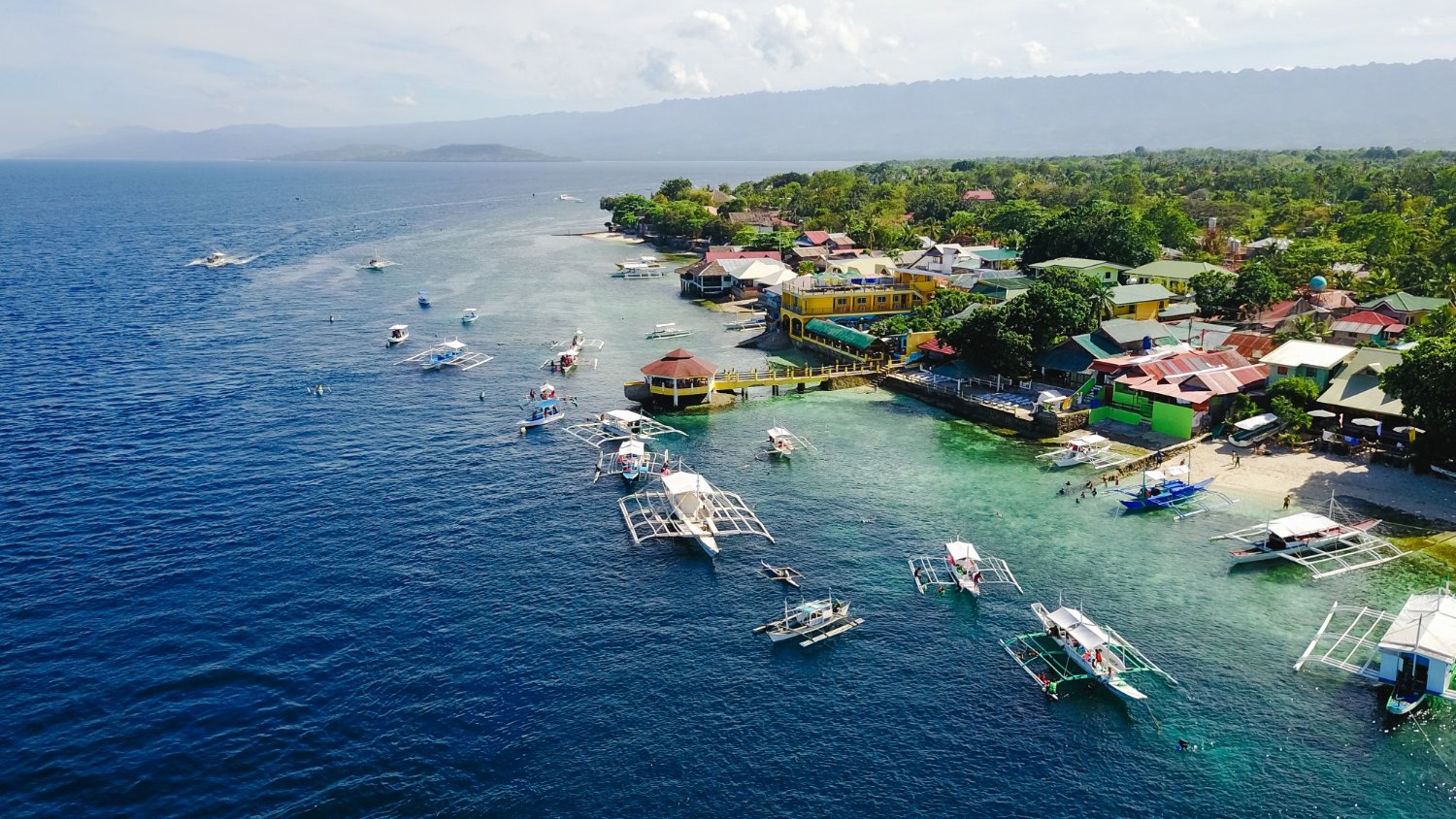
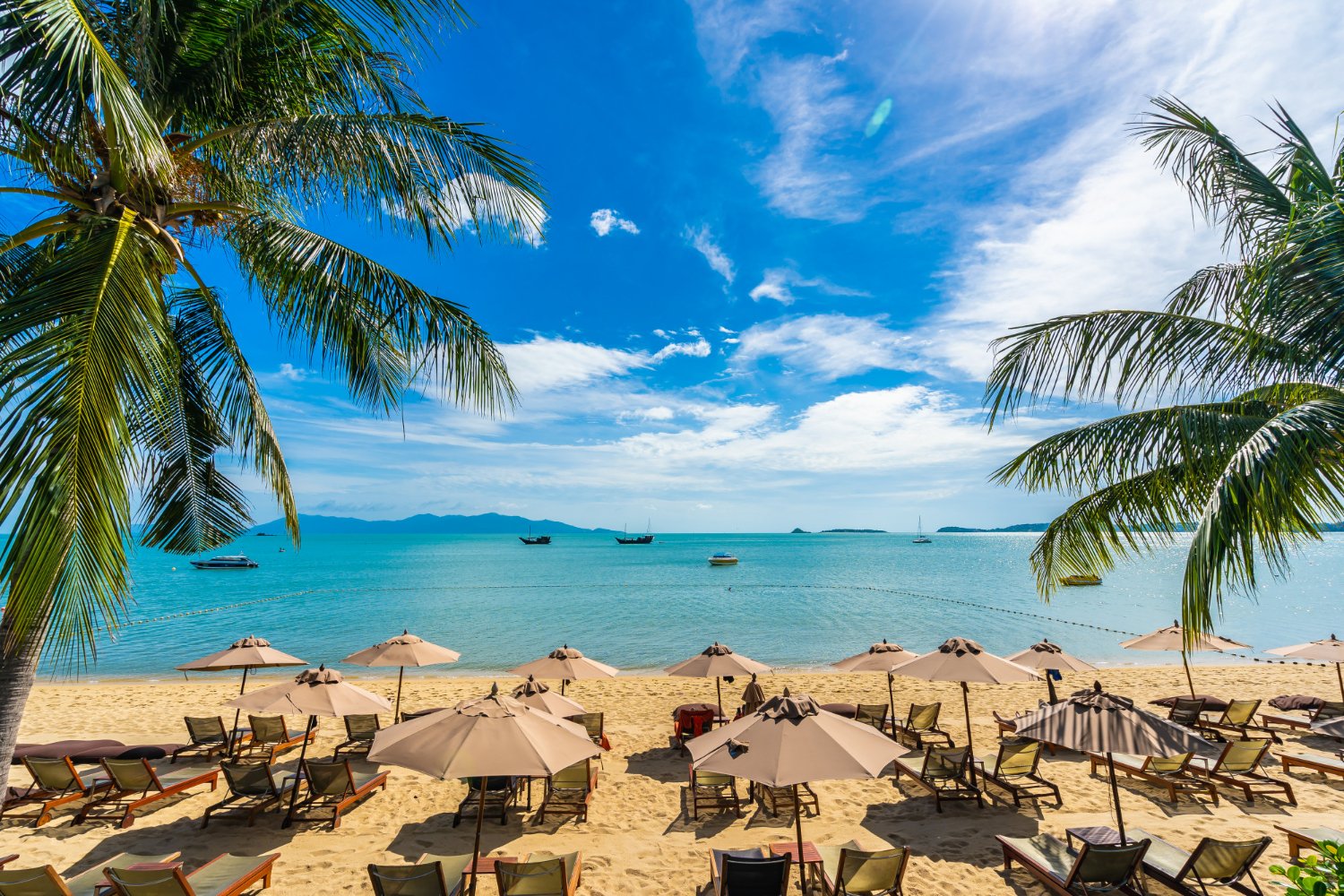
The Philippines is a tropical paradise made up of over 7,000 islands, offering pristine beaches, crystal-clear waters, lush mountains, and vibrant cities. From island hopping to cultural discoveries, it promises unforgettable experiences for every traveler.
The Philippines is famous for its stunning islands, world-class diving spots, breathtaking landscapes, warm hospitality, and diverse culture. Whether you're seeking adventure, relaxation, or unique cultural experiences, the Philippines has something for everyone.
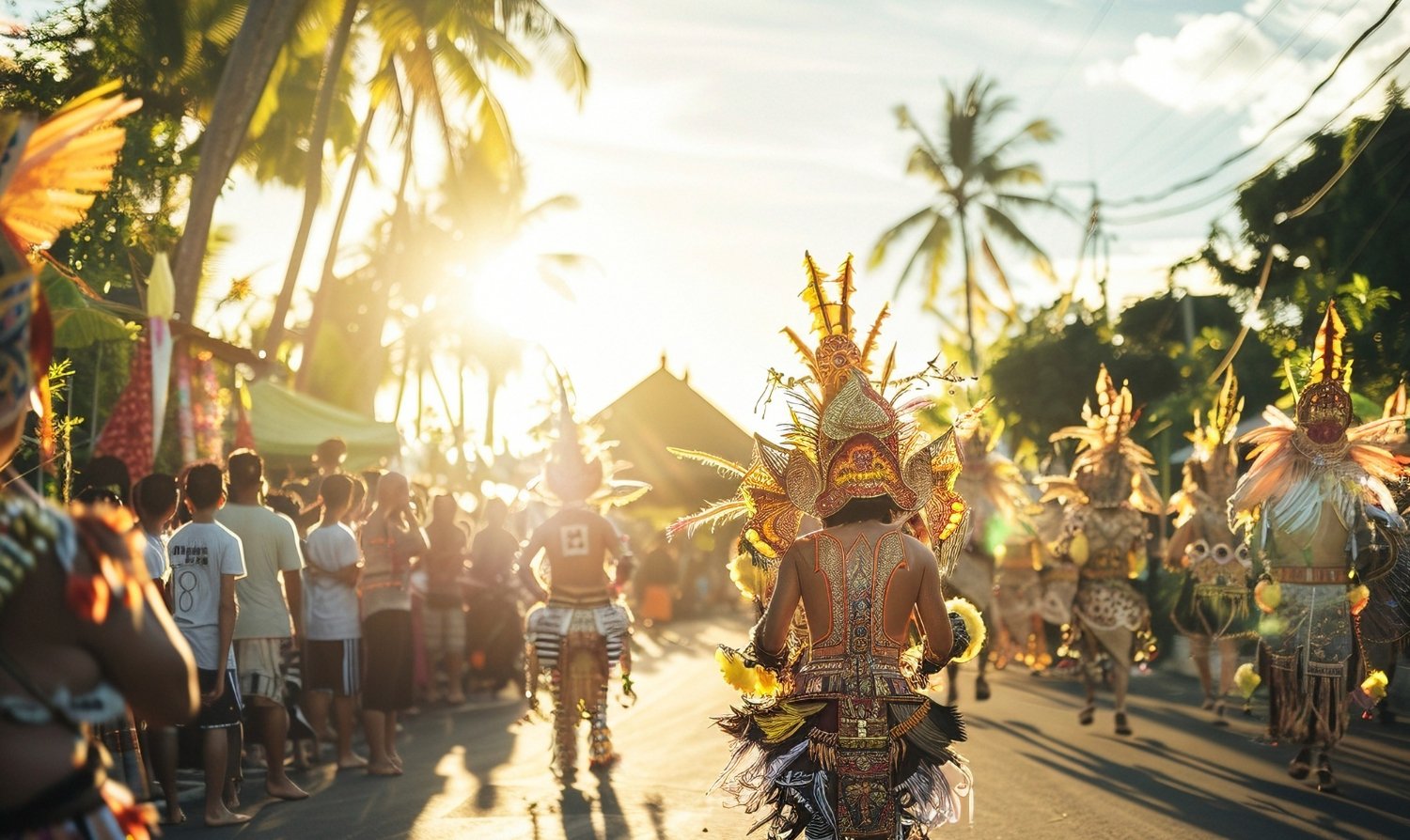
Experience the rich Filipino culture through colorful festivals, traditional dances, historic churches, local markets, indigenous communities, and delicious Filipino cuisine that reflects Spanish, Asian, and native influences.

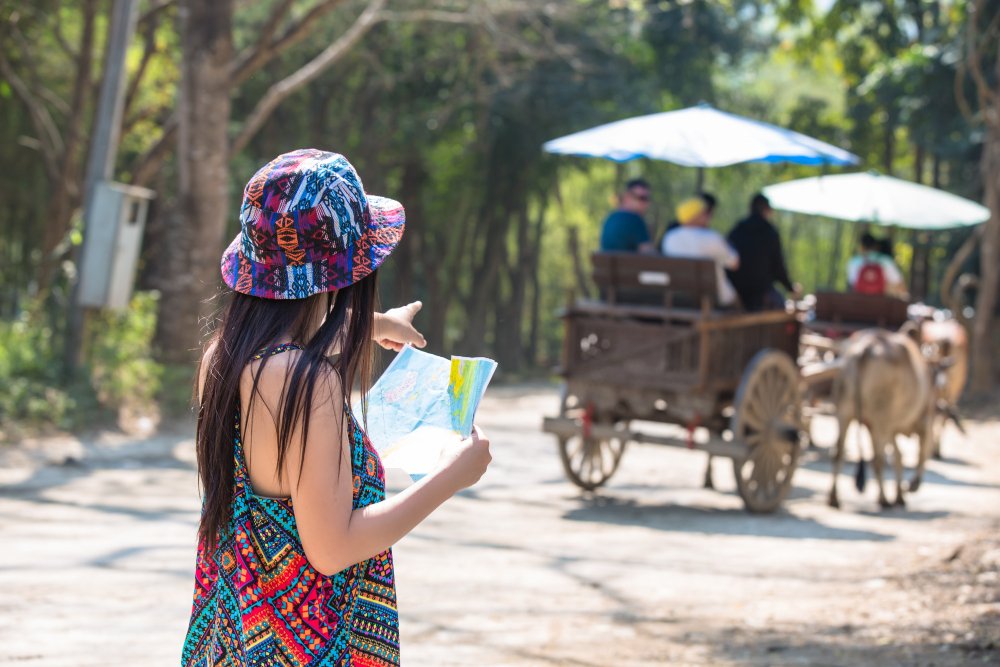
Dry Season (November – May): Sunny weather with clear skies, making it the perfect time for island hopping, beach vacations, diving, and outdoor adventures. Wet Season (June – October): Characterized by tropical rainfall and lush green landscapes. While occasional showers occur, it's an excellent season for budget-friendly travel and fewer crowds.
The Philippines has a tropical maritime climate with warm temperatures throughout the year. Average temperatures range from 25°C to 32°C, with coastal areas enjoying pleasant sea breezes. The country is a year-round destination, though weather conditions may vary by region and season.
Peak Season: December to April
Dry and sunny weather across most islands
Perfect for beaches, island hopping, diving, and sightseeing
Higher tourist arrivals and accommodation demand
Off-Peak Season: June to October
Occasional tropical showers and greener landscapes
Lower hotel rates and fewer tourists
Great for budget-conscious travelers and peaceful vacations
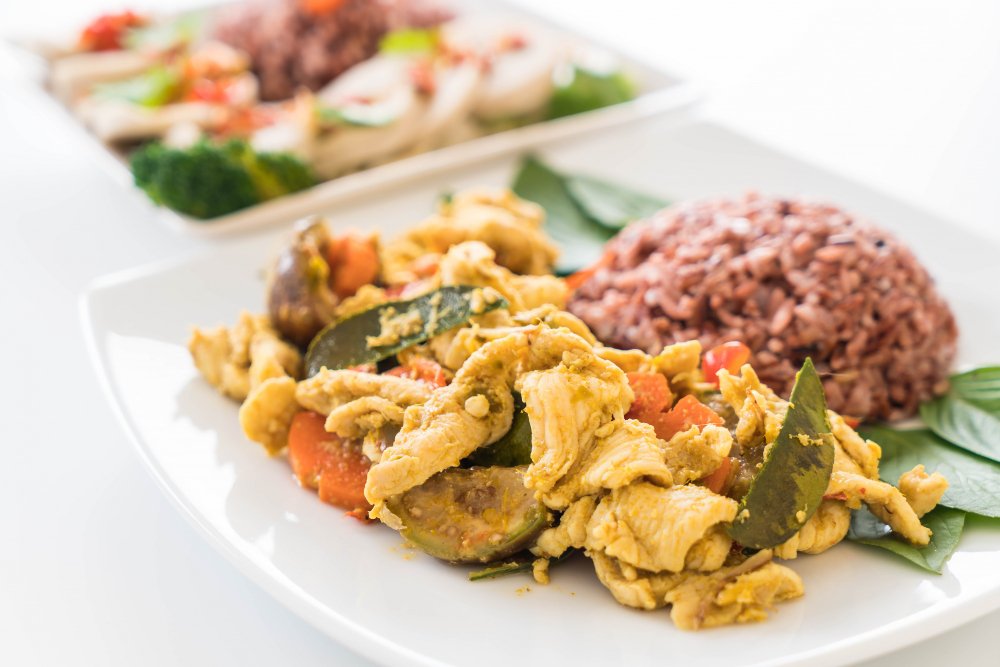
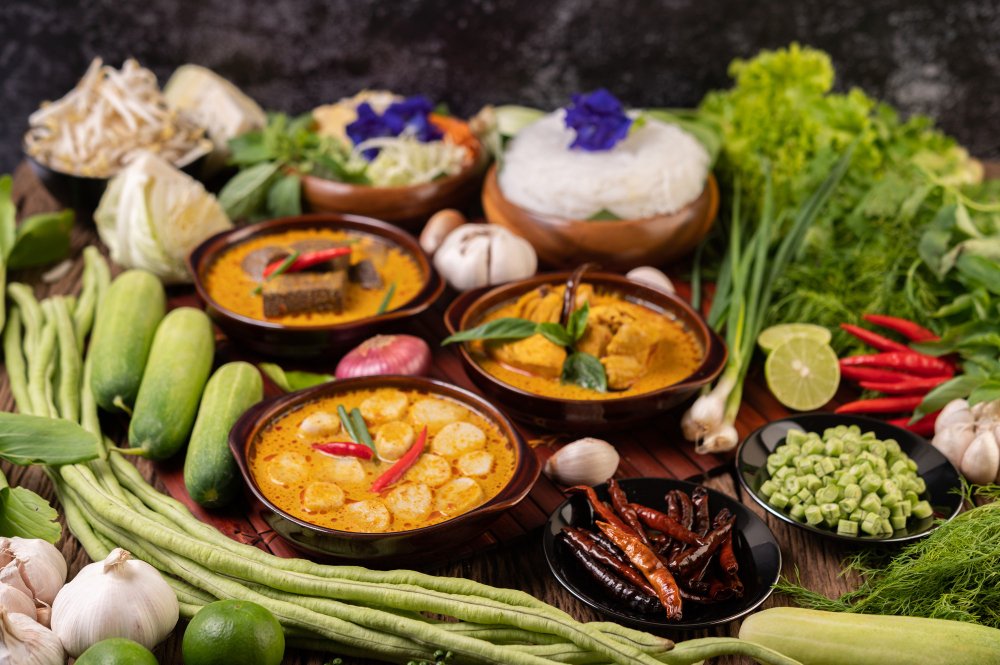
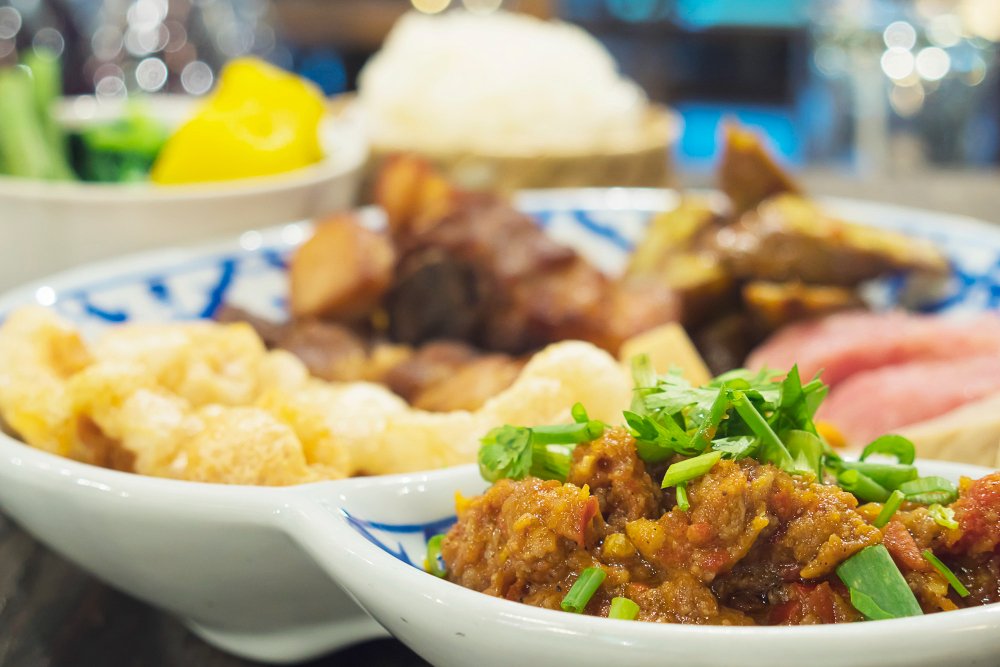
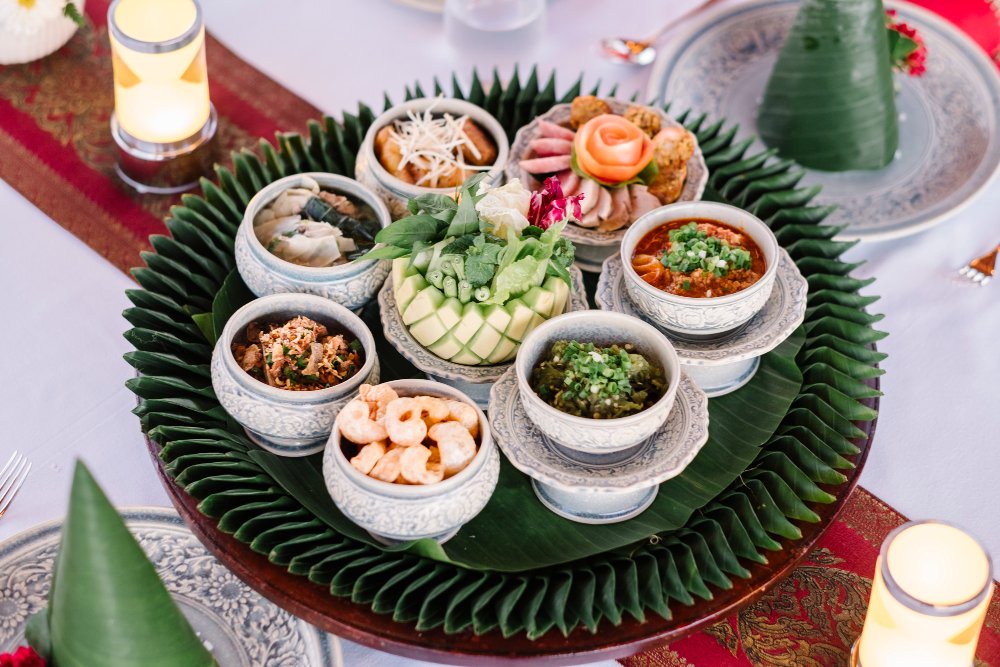
Filipino cuisine is a flavorful mix of Asian and Spanish influences. Popular dishes include Adobo, Sinigang, Lechon, Pancit, Halo-Halo, and fresh seafood, offering a delicious culinary experience for every visitor.
The Philippines is well connected by international flights to major cities like Manila, Cebu, and Clark. Domestic flights and ferries make it easy to travel between the country's beautiful islands and popular tourist destinations.
International travelers can fly into Ninoy Aquino International Airport (Manila), Mactan-Cebu International Airport, or Clark International Airport, with direct and connecting flights from major global cities.
There are no international train services to the Philippines. Domestic buses operate across major islands, while ferries connect many islands and coastal destinations.
Travel within the Philippines using domestic flights, ferries, buses, jeepneys, taxis, tricycles, ride-hailing services, and private vehicles for convenient transportation.
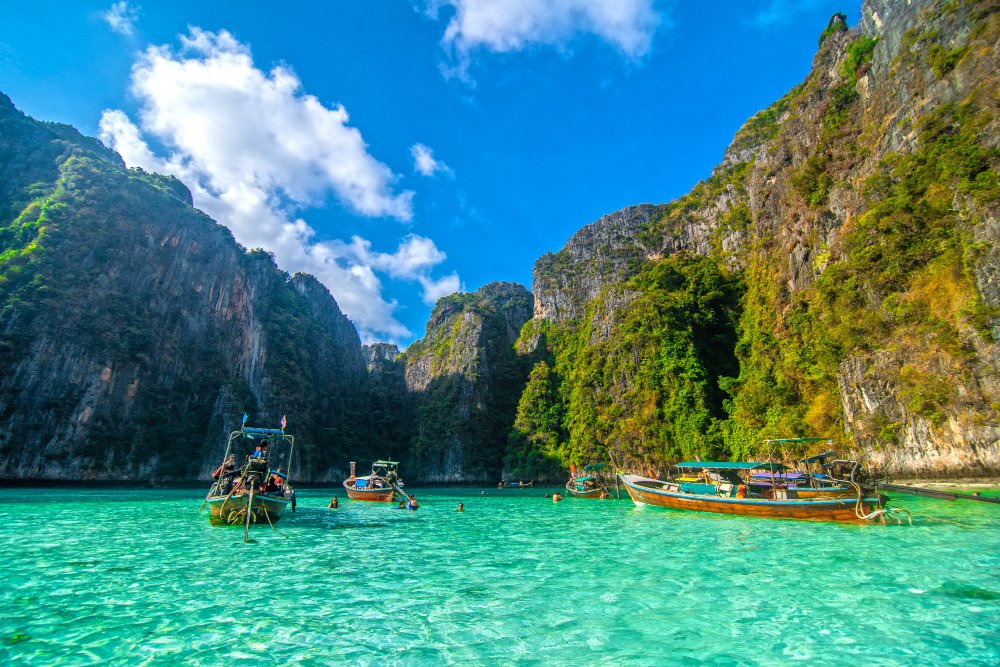
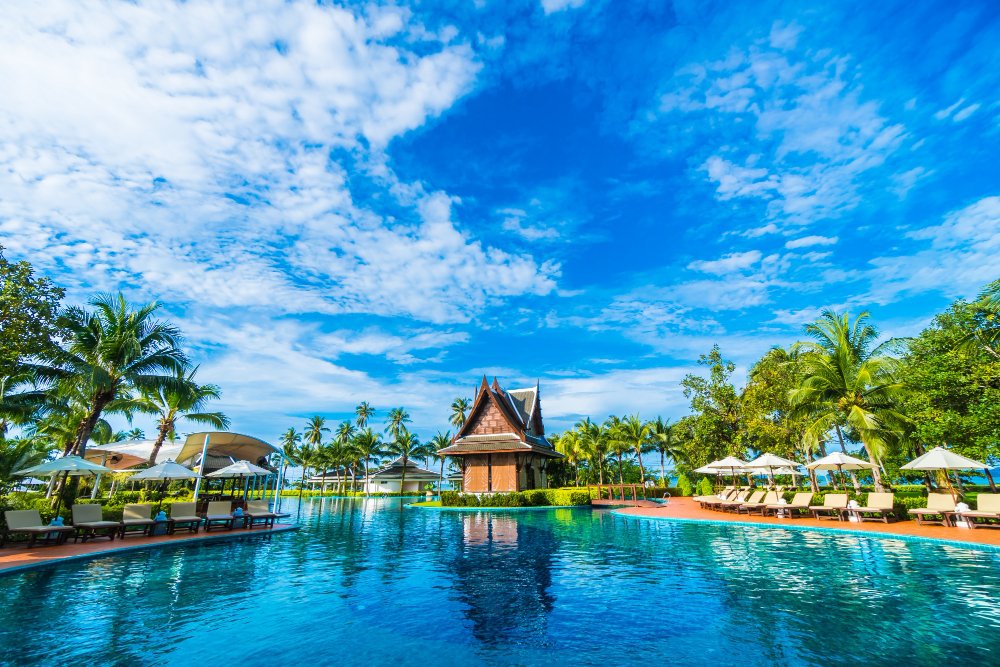
The best time to visit the Philippines is from December to April, when the weather is dry and ideal for beaches and outdoor activities.
Yes. Indian citizens generally require a visa to visit the Philippines, though certain travelers may qualify for visa-free entry under specific conditions. Check the latest immigration guidelines before traveling.
The official currency is the Philippine Peso (PHP).
A 7 to 10-day trip is ideal to explore popular destinations such as Manila, Palawan, Boracay, Cebu, and Bohol.
Yes. Most tourist destinations are safe for visitors. Follow local travel advisories and take standard safety precautions during your trip.
Top attractions include Palawan, Boracay, Cebu, Bohol, Chocolate Hills, Puerto Princesa Underground River, and El Nido.
Filipino (Tagalog) and English are the official languages, with English widely spoken throughout the country.
Pack lightweight clothing, swimwear, comfortable footwear, sunscreen, sunglasses, a hat, insect repellent, a reusable water bottle, and a light rain jacket if traveling during the wet season.




: Subscribe to our newsletter and be the first to know about exclusive offers, new destinations, and travel tips.