Water Sports
Try parasailing, jet-skiing and banana boat rides at Calangute, Baga and Candolim between October and May.

Goa is India's smallest state, stretched along the Konkan coast of the Arabian Sea with more than 100 km of golden beaches, palm groves and quiet river estuaries. Ruled by the Portuguese for about 450 years until 1961, it blends Indian and European influences in its whitewashed churches, colourful villas, food and festivals.
North Goa is known for lively beaches such as Calangute, Baga, Anjuna and Vagator, along with forts, flea markets and nightlife, while South Goa offers calmer shores like Palolem, Agonda and Colva. Beyond the coast, explore the UNESCO-listed churches of Old Goa, spice plantations, temples and the mighty Dudhsagar Falls.
Choose between lively stretches like Baga and Calangute and peaceful palm-fringed bays like Palolem and Agonda.
Explore the grand churches of Old Goa, hilltop forts and the colourful Latin Quarter of Fontainhas in Panaji.
Try parasailing, jet-skiing, kayaking and boat trips, or take a jeep safari through the forest to Dudhsagar Falls.
Enjoy beach shacks, live music and night markets, and festive celebrations at Christmas, New Year and the Goa Carnival.
Savour fish curry rice, prawn balchão, chicken xacuti, vindaloo and the layered dessert bebinca.
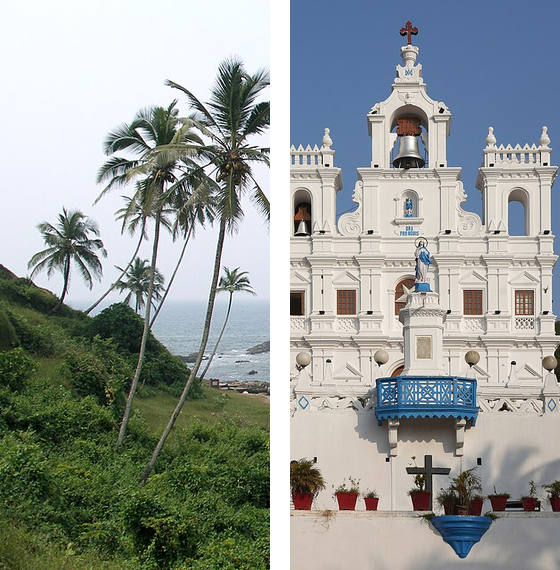


North Goa is the lively heart of the coast, with the busy beaches of Calangute and Baga, the cliffs of Anjuna and Vagator, Chapora Fort, flea markets, beach shacks and nightlife.


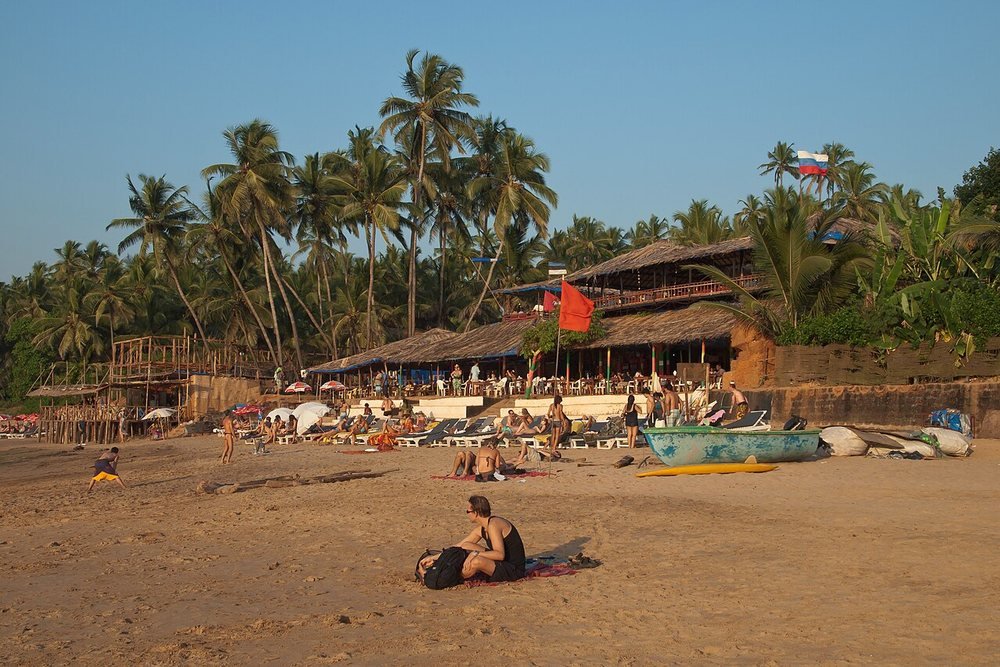
*North Goa is at its liveliest from November to February, when beach shacks, water sports and night markets are in full swing.
South Goa is calmer and greener, with palm-fringed beaches such as Palolem, Agonda and Colva, the clifftop Cabo de Rama Fort and relaxed resorts that suit couples and families.
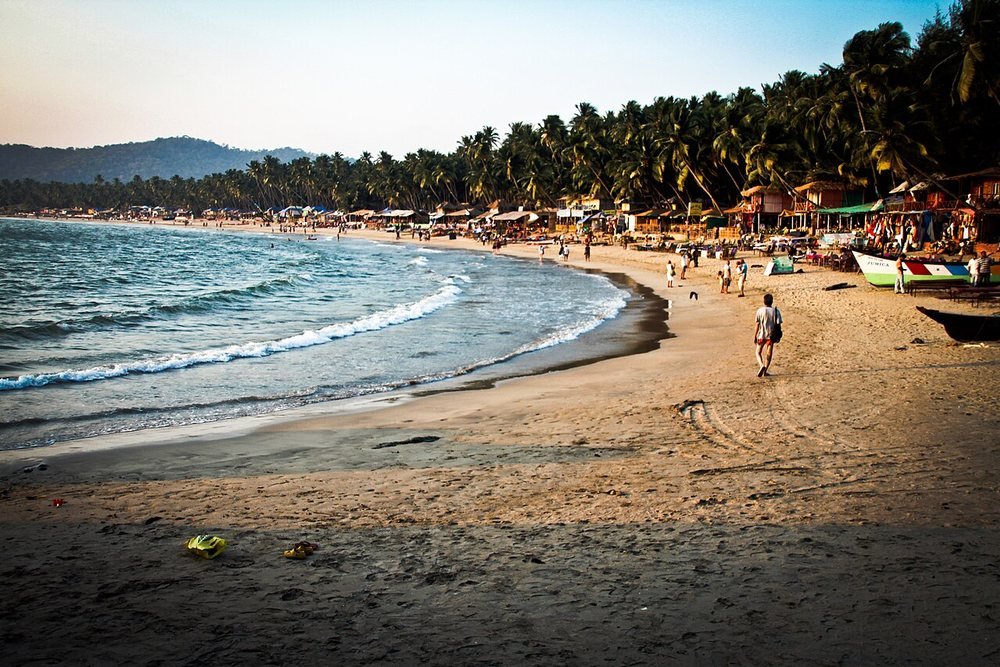


Try parasailing, jet-skiing and banana boat rides at Calangute, Baga and Candolim between October and May.

Visit the Se Cathedral, the Basilica of Bom Jesus and the Church of St Francis of Assisi, part of a UNESCO World Heritage Site.

Walk through a spice farm near Ponda to see pepper, cardamom, nutmeg and areca palms, often followed by a traditional Goan lunch.

Browse clothes, jewellery, handicrafts and souvenirs at Anjuna's famous Wednesday flea market during the season.
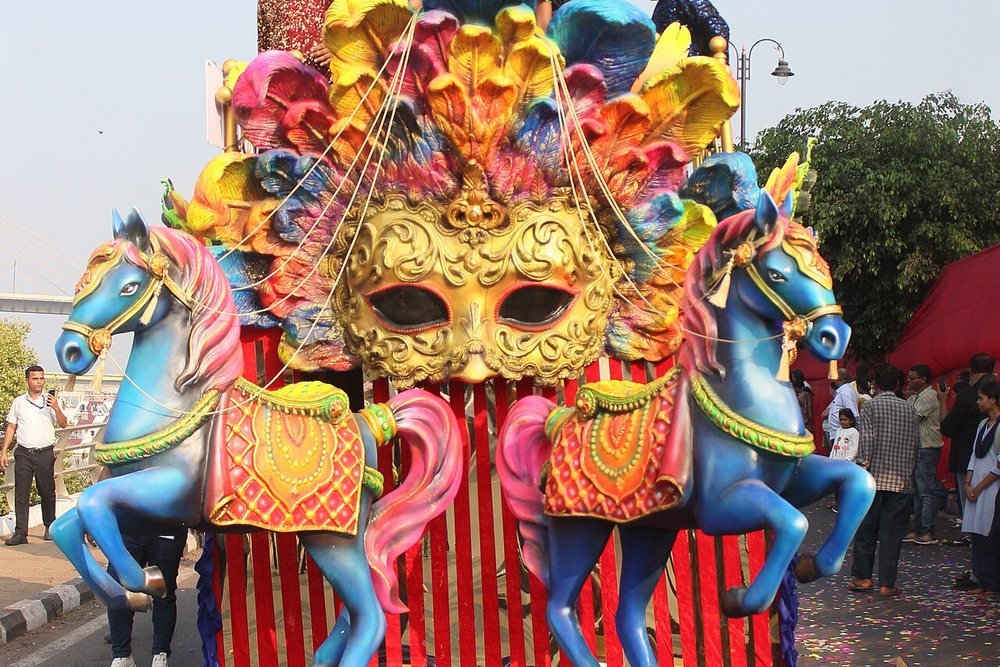
Join the float parades, music and dancing of the Goa Carnival, held in Panaji, Margao, Vasco and Mapusa in February or early March before Lent.

Taste fish curry rice, crisp kingfish fry, prawn dishes and bebinca at beach shacks and traditional Goan restaurants.

Visit the Shri Mangueshi Temple near Ponda, one of Goa's most revered temples, known for its tall lamp tower.
*Goa offers a lively mix of beaches, heritage, food and nightlife — perfect for couples, families and groups of friends alike.
Goa can be visited all year. Winter (November to February) brings sunny days and pleasant evenings, making it the best time for beaches, water sports and sightseeing. Summer (March to May) is hot and humid but quieter. Monsoon (June to September) brings heavy rain and lush green landscapes, though swimming and water sports are suspended on the beaches.
Goa has a warm, humid tropical climate, with temperatures generally ranging from about 20°C to 33°C. April and May are the hottest months, the monsoon brings heavy rainfall from June to September, and winters are dry with cooler nights.
Peak Season: November to February, especially around Christmas and New Year, when the weather is pleasant and beach life is at its best.
Off-Peak Season: June to September, when monsoon rains bring fewer tourists, green landscapes, full waterfalls and attractive hotel offers.
Goa is well connected by air, rail and road to cities across India. It has two airports, at Dabolim in the south and Mopa in the north, and the Konkan Railway runs through the state.
Goa International Airport at Dabolim (GOI) is about 30 km from Panaji, and Manohar International Airport at Mopa (GOX) is about 35 km north of Panaji. Between them they offer direct flights from Delhi, Mumbai, Bengaluru, Chennai, Hyderabad and other major cities.
Madgaon (Margao), Thivim and Karmali are the main railway stations on the Konkan Railway, with trains from Mumbai, Delhi, Bengaluru and Kerala. Overnight buses connect Goa with Mumbai, Pune, Bengaluru and Hyderabad.
Get around Goa by taxi, app-based cab, rented scooter, self-drive car or Kadamba bus. River ferries still cross several rivers, and licensed jeeps run from Kulem to Dudhsagar Falls in season.

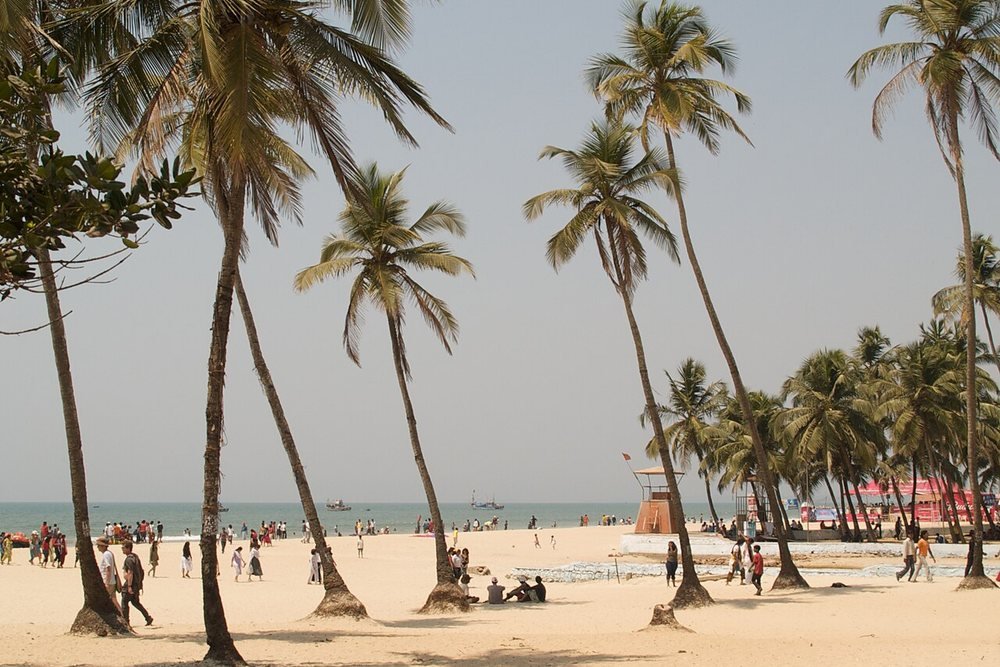


November to February is the best time for beaches, water sports and sightseeing. The monsoon months of June to September suit travellers who prefer green landscapes and quieter stays.
Fly into Dabolim (GOI) or Mopa (GOX) airport, or take a train to Madgaon, Thivim or Karmali on the Konkan Railway. Goa is also well connected by road to Mumbai, Pune and Bengaluru.
Goa is famous for its beaches, Portuguese heritage, the churches of Old Goa, forts, seafood, nightlife, water sports and festivals such as Christmas, New Year and the Goa Carnival.
Choose North Goa for lively beaches, nightlife, markets and water sports, and South Goa for quieter beaches, resorts and a relaxed pace. Many travellers combine both.
A 4 to 5-day trip covers North Goa's beaches, Old Goa, Panaji and a day in South Goa. Add a day or two for Dudhsagar Falls or a relaxed beach stay.
Jeep safaris to Dudhsagar Falls usually run from about October to May and are suspended during the monsoon for safety. The falls are at their fullest just after the rains.
No. Swimming and water sports are suspended on Goa's beaches during the monsoon, roughly June to September. They are usually available from October to May.
Konkani is the official language of Goa. Marathi, Hindi and English are widely spoken, and English is understood in most hotels and tourist areas.

: Subscribe to our newsletter and be the first to know about exclusive offers, new destinations, and travel tips.