Coffee Estate Walk
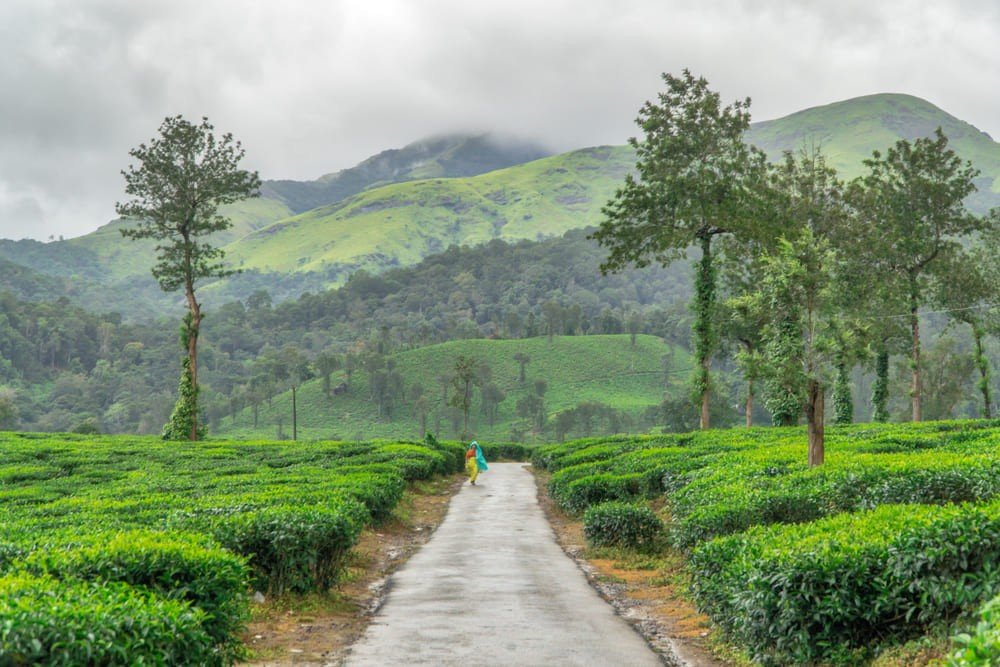
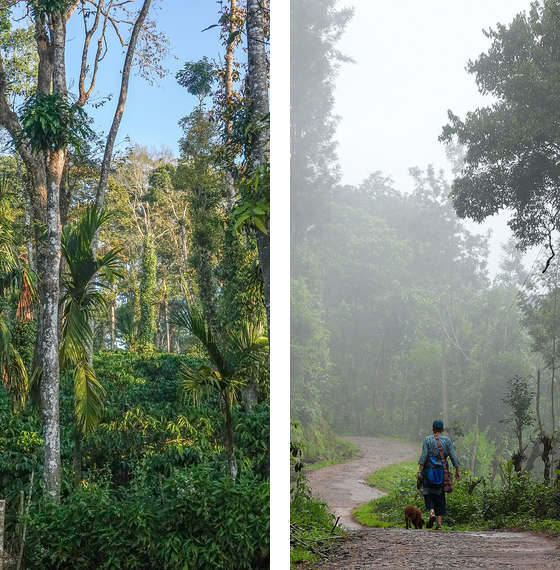
Walk through shaded coffee and pepper plantations and learn how Coorg's coffee travels from blossom to cup.

Coorg, officially known as Kodagu, is a hill district in Karnataka on the slopes of the Western Ghats, with its main town Madikeri set at around 1,170 metres. Covered in coffee and pepper estates, misty forests and rolling green hills, it is often called the Scotland of India and is one of South India's most loved getaways for families, couples and nature lovers.
From the source of the Kaveri River at Talakaveri and the cascades of Abbey Falls to the elephants of Dubare and the golden monastery at Bylakuppe, Coorg blends nature, adventure and the proud culture of the Kodava people with warm plantation hospitality.
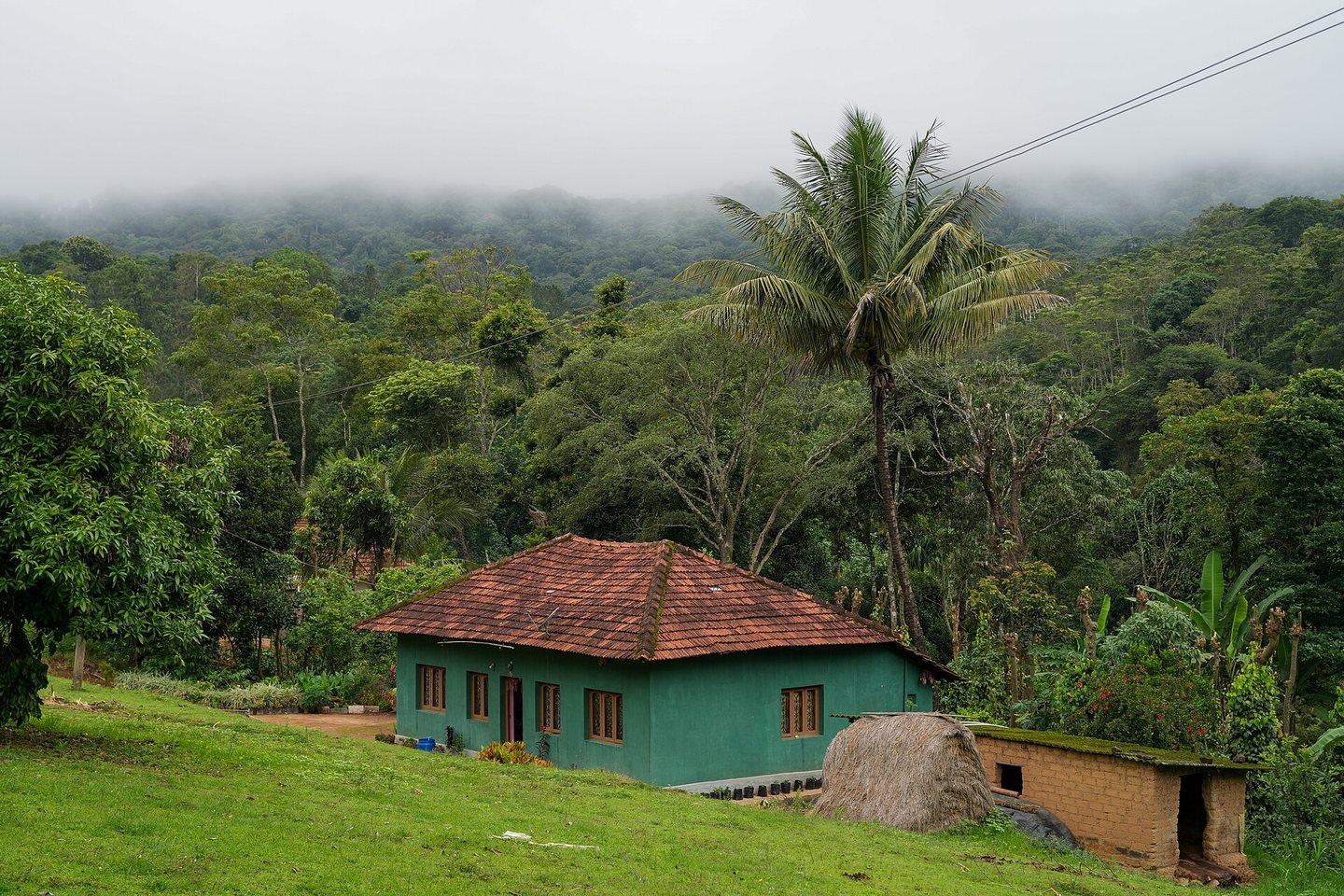
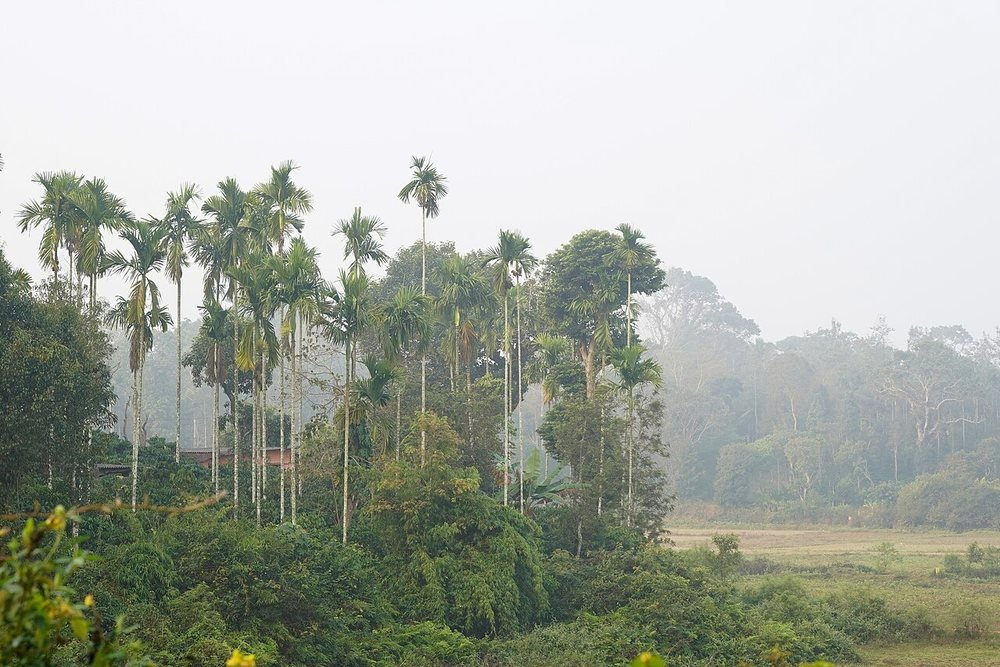
Stay among fragrant coffee and pepper estates in one of India's leading coffee-growing regions and see how the beans are grown and processed.
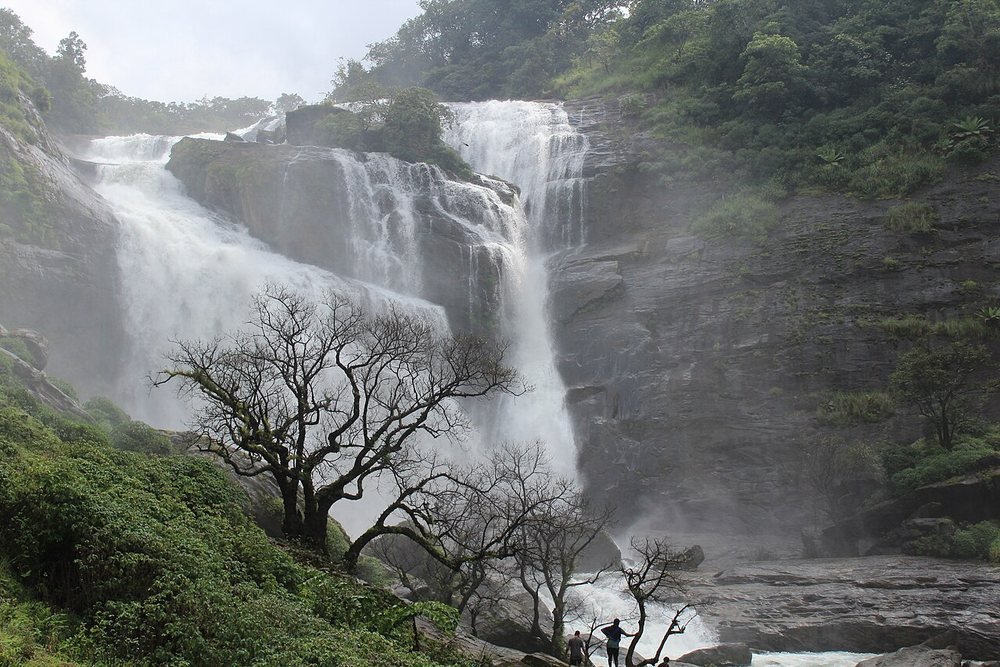
Discover cloud-wrapped hills, scenic viewpoints and waterfalls such as Abbey, Iruppu and Mallalli, at their fullest after the monsoon.
Watch elephants at the Dubare camp and look out for deer, gaur and wild elephants on a safari in Nagarhole National Park.
Experience the traditions, festivals, dress and distinctive cuisine of the Kodava community, the proud hosts of these hills.
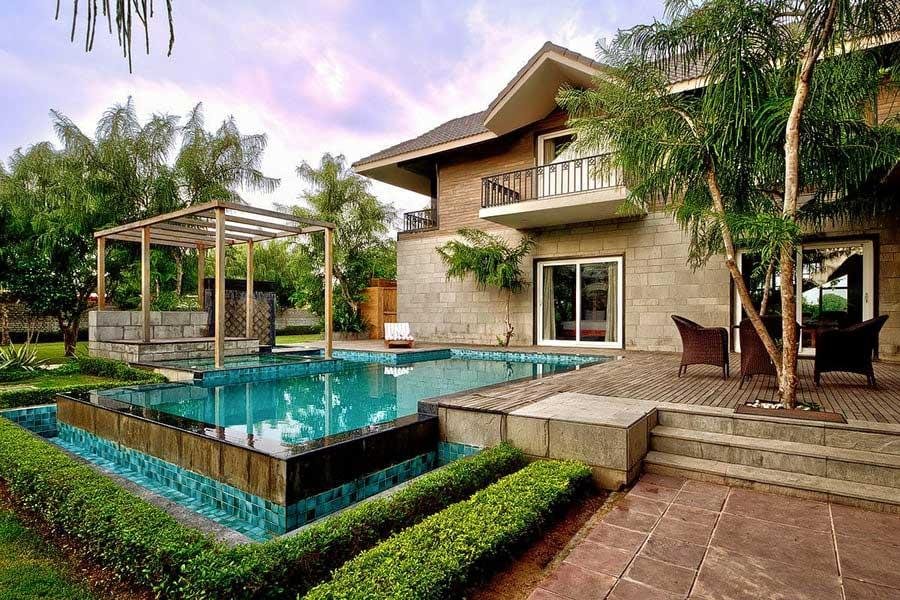
Unwind at plantation homestays and resorts with home-cooked meals, birdsong and quiet walks through the estates.


Coorg's main town is home to the sunset viewpoint of Raja's Seat, the 17th-century Madikeri Fort and the Omkareshwara Temple, built in 1820 with its striking domes and temple tank.


*Raja's Seat is at its best at sunset, and Madikeri is a convenient base for Abbey Falls and Talakaveri.
On the banks of the Kaveri near Kushalnagar, watch elephants being bathed at Dubare Elephant Camp, walk the bamboo groves of Cauvery Nisargadhama and visit the Harangi Reservoir and the Tibetan settlement at Bylakuppe.
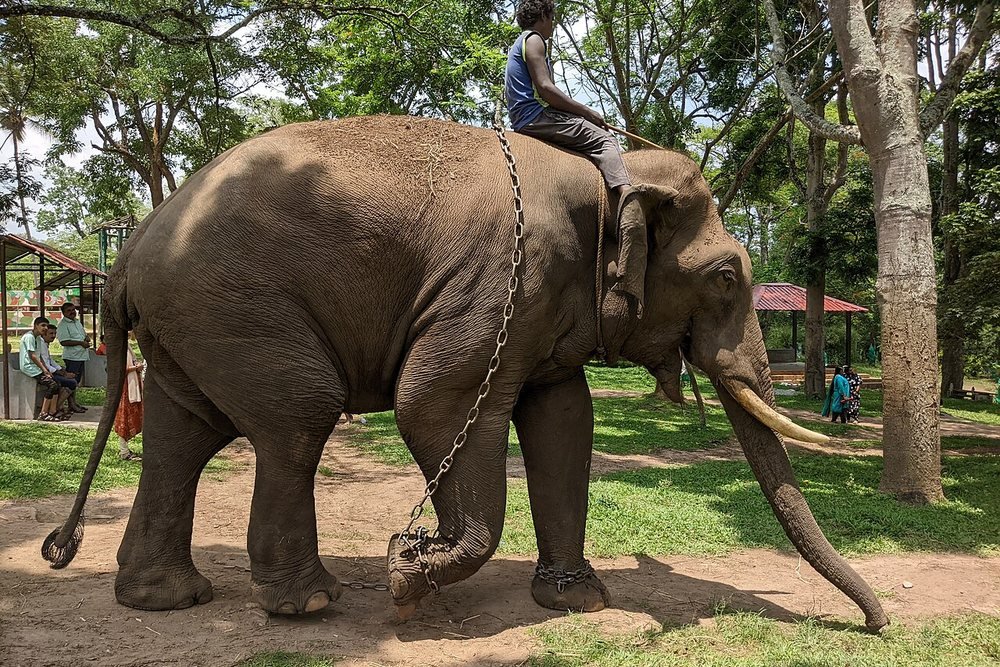
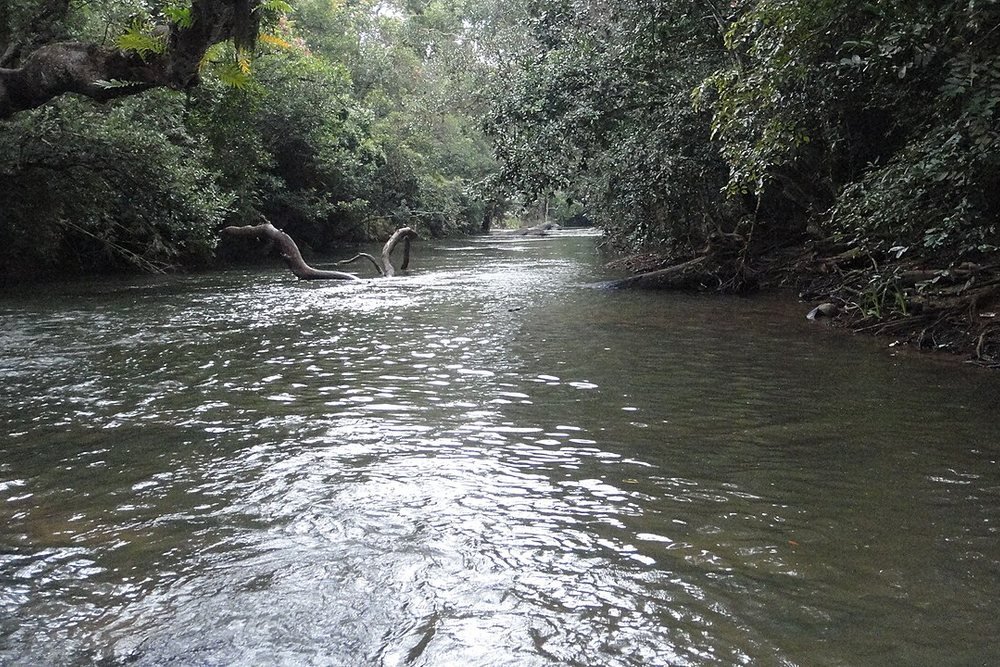

*Visit Dubare in the morning to see the elephants being bathed in the river.
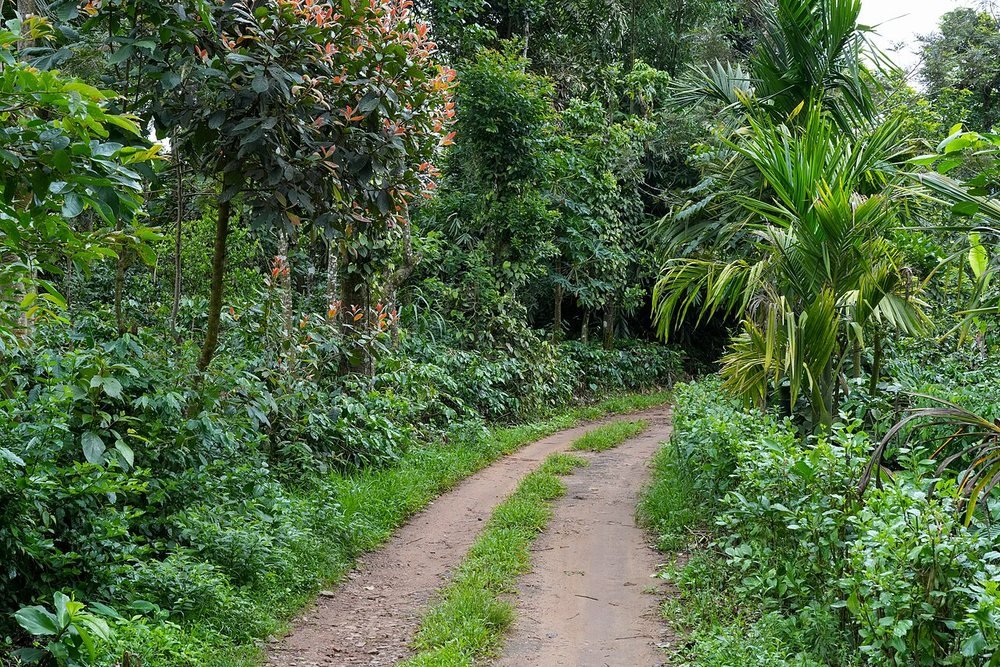
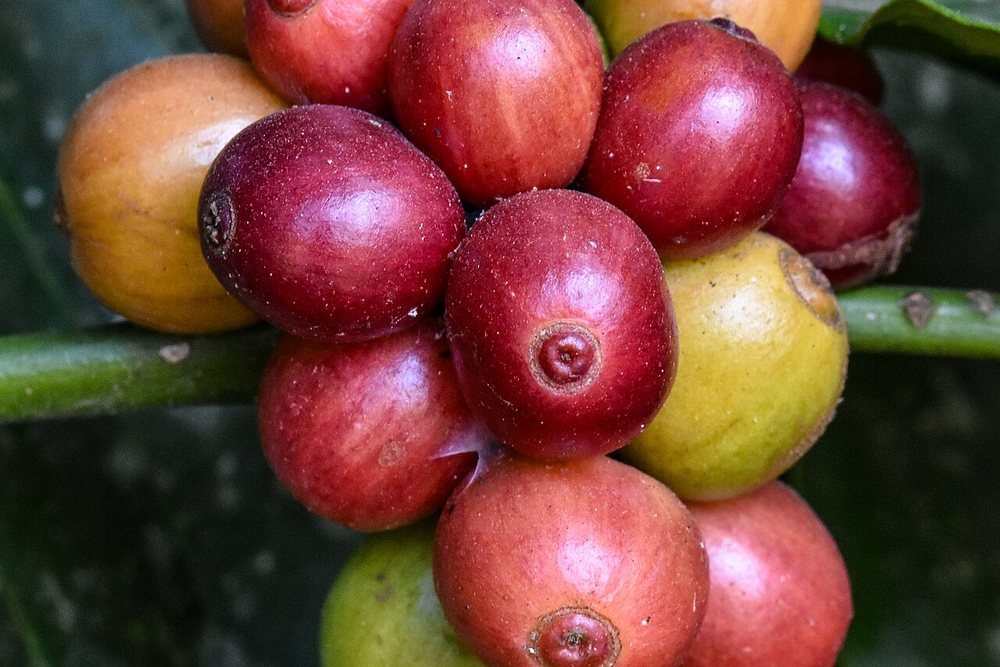
Walk through shaded coffee and pepper plantations and learn how Coorg's coffee travels from blossom to cup.

Ride the rapids of the Barapole River in the monsoon season, or try gentler stretches of the Kaveri near Dubare, subject to water levels.
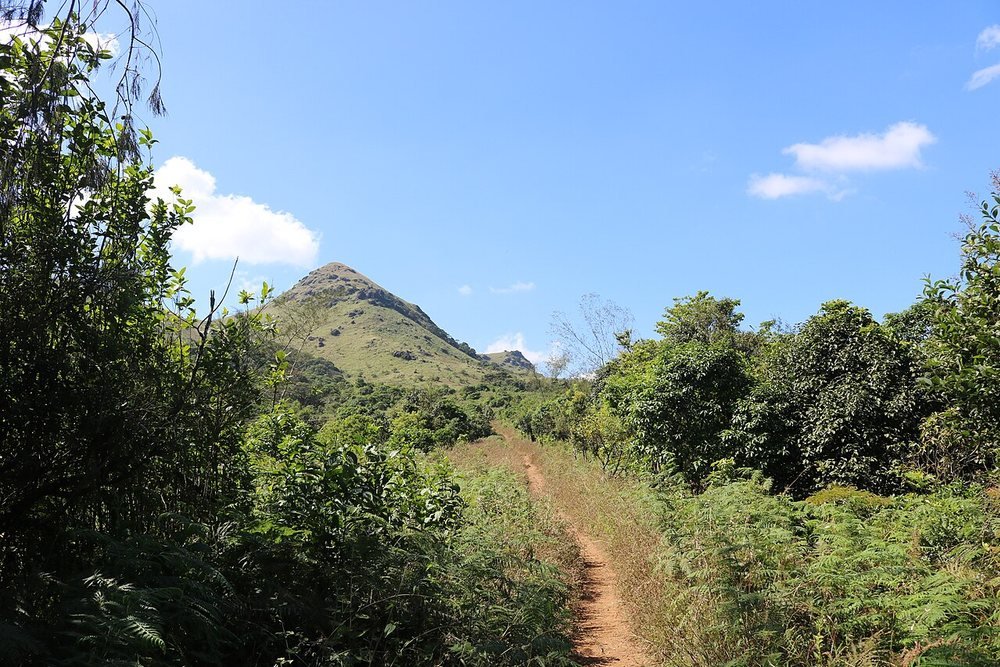
Hike through shola forests and grasslands to the summit of Tadiandamol, at 1,748 metres the highest peak in Coorg.

Visit the Bhagandeshwara Temple at Bhagamandala, beside the sacred confluence of the Kaveri, Kannike and Sujyoti rivers.

Join a safari in Nagarhole National Park to spot elephants, deer, gaur and, with luck, a tiger or leopard.

Take a short forest walk past the Rameshwara Temple to Iruppu Falls in the Brahmagiri hills of south Coorg.

Discover Kodava traditions such as the Ummathat dance, the Puthari harvest festival and local dishes like pandi curry and kadambuttu.
*Coorg offers a refreshing mix of coffee country, waterfalls, wildlife and culture — ideal for families, couples and groups looking to escape into the hills.
Coorg can be visited all year. Winter (October to February) brings cool, pleasant weather that is ideal for sightseeing, trekking and plantation stays. Summer (March to May) is warmer, and the coffee blossoms fill the estates with fragrance in early summer. The monsoon (June to September) brings heavy rain, full waterfalls, misty hills and the rafting season.
Coorg has a mild hill climate. Daytime temperatures usually range from about 15°C to 30°C, while winter nights can drop to around 10°C. The district receives very heavy rainfall during the south-west monsoon, especially from June to August.
Peak Season: October to March, along with summer school holidays and long weekends, when the weather is pleasant for sightseeing, trekking and plantation stays.
Off-Peak Season: June to September, when monsoon rains bring fewer tourists, lush landscapes, full waterfalls and better hotel offers.
Coorg is well connected by road to Bengaluru, Mysuru, Mangaluru and northern Kerala. Madikeri is about 250 km from Bengaluru and 120 km from Mysuru. As Coorg has no airport or railway station of its own, travellers complete the final part of the journey by road.
The nearest airport is Kannur International Airport, about 90 km from Madikeri. Mangaluru International Airport is about 140 km away, and Bengaluru's Kempegowda International Airport offers the widest choice of flights.
Mysuru Junction, about 120 km away, is the most convenient railhead, with Mangaluru and Kannur as alternatives. KSRTC and private buses run regularly to Madikeri, Kushalnagar and Virajpet from Bengaluru and Mysuru.
Explore Coorg by taxi, private car or local bus. A car with a driver is the easiest way to reach plantations, waterfalls and viewpoints spread across the district.

October to March is ideal for pleasant weather and sightseeing, while June to September suits travellers who love rain, waterfalls and misty landscapes.
Fly to Kannur, Mangaluru or Bengaluru, or take a train to Mysuru, then continue by road to Madikeri. Regular buses also run from Bengaluru and Mysuru.
Coorg is famous for its coffee plantations, misty hills, Abbey Falls, Raja's Seat, Talakaveri, Dubare Elephant Camp, the Namdroling Monastery and Kodava culture.
A 3 to 4-day trip covers Madikeri, Abbey Falls, Talakaveri, Dubare and Bylakuppe. Add a day or two for Iruppu Falls, Nagarhole or a trek to Tadiandamol.
Yes. Coorg's plantation homestays, misty mornings and quiet resorts make it one of South India's favourite honeymoon destinations.
Yes, if you enjoy the rain. The monsoon brings full waterfalls and lush green hills, but heavy showers can slow road travel, so keep your plans flexible.
Kodava and Kannada are the main local languages. English and Hindi are understood in most hotels, homestays and tourist areas.
Pack light woollens for the evenings, comfortable walking shoes, insect repellent and sunscreen. In the monsoon, carry a raincoat or umbrella and quick-dry clothing.

: Subscribe to our newsletter and be the first to know about exclusive offers, new destinations, and travel tips.