Rocky Mountaineer
Travel through the Rockies by daylight on this famous scenic train between Vancouver, Banff, Lake Louise and Jasper, usually from April to October.

Canada is the world's second-largest country by area, stretching from the Pacific to the Atlantic and north into the Arctic. Its ten provinces and three territories are home to the snow-capped Rocky Mountains, glacier-fed lakes, vast forests and wild coastlines, as well as friendly, multicultural cities such as Toronto, Vancouver and Montreal.
From the turquoise lakes of Banff and the thundering Niagara Falls to the French charm of Old Quebec, whale watching off Vancouver Island and the northern lights of Yellowknife, Canada makes an unforgettable holiday in every season – and its large Indian community means familiar food is never far away.
Drive past glaciers, waterfalls and turquoise lakes in Banff and Jasper, part of the Canadian Rocky Mountain Parks World Heritage Site.
Feel the spray of the mighty Horseshoe Falls on a boat cruise and see the falls lit up in colour every evening.
Explore multicultural Toronto, laid-back Vancouver, festive Montreal and the cobbled lanes of Old Quebec.
Spot whales, bears and moose, see polar bears in Churchill and watch the aurora dance over Yellowknife.
English is spoken almost everywhere, Indian restaurants are easy to find, and Canada's large Indian community makes visitors feel at home.


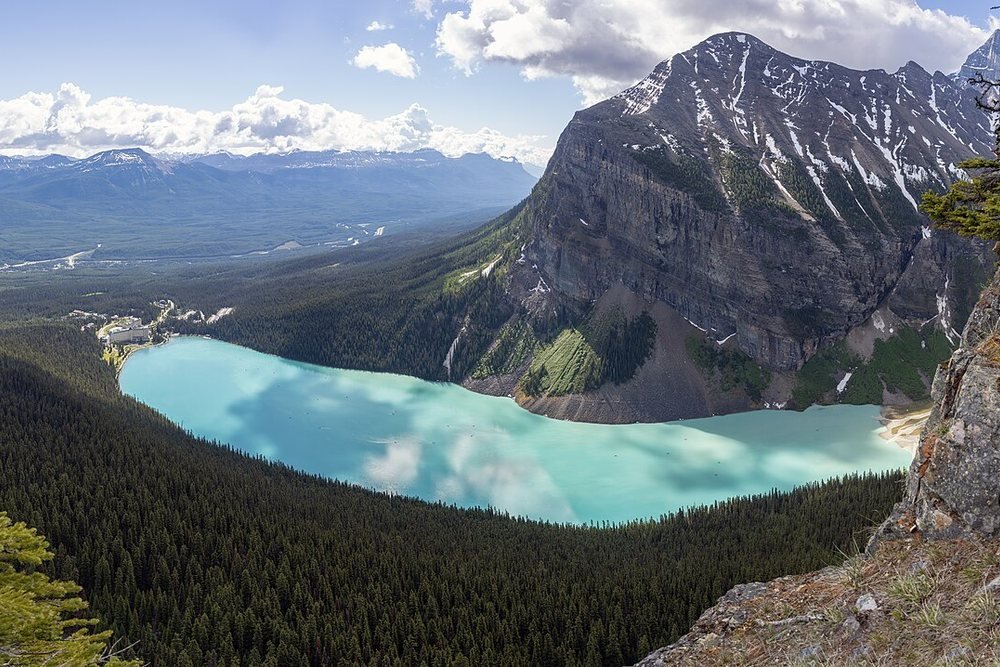
Canada's first national park is home to the turquoise waters of Lake Louise and Moraine Lake, the mountain town of Banff with its gondola and hot springs, and the Icefields Parkway, one of the world's most scenic drives, which leads north past glaciers to Jasper.
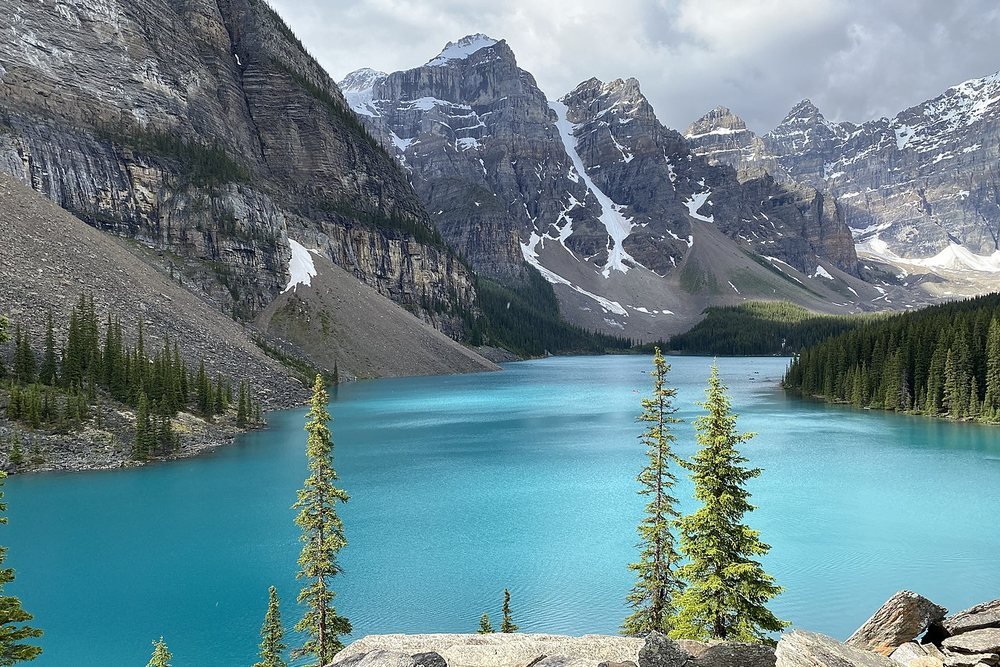

*Moraine Lake Road is closed to private vehicles; the lake is reached by Parks Canada shuttle or a guided tour, usually from June to mid-October.
About 90 minutes by road from Toronto, the Horseshoe Falls plunge over a vast curved ledge. Sail into the mist on a boat cruise, walk the tunnels of Journey Behind the Falls, watch the falls lit up at night and visit the wineries of nearby Niagara-on-the-Lake.


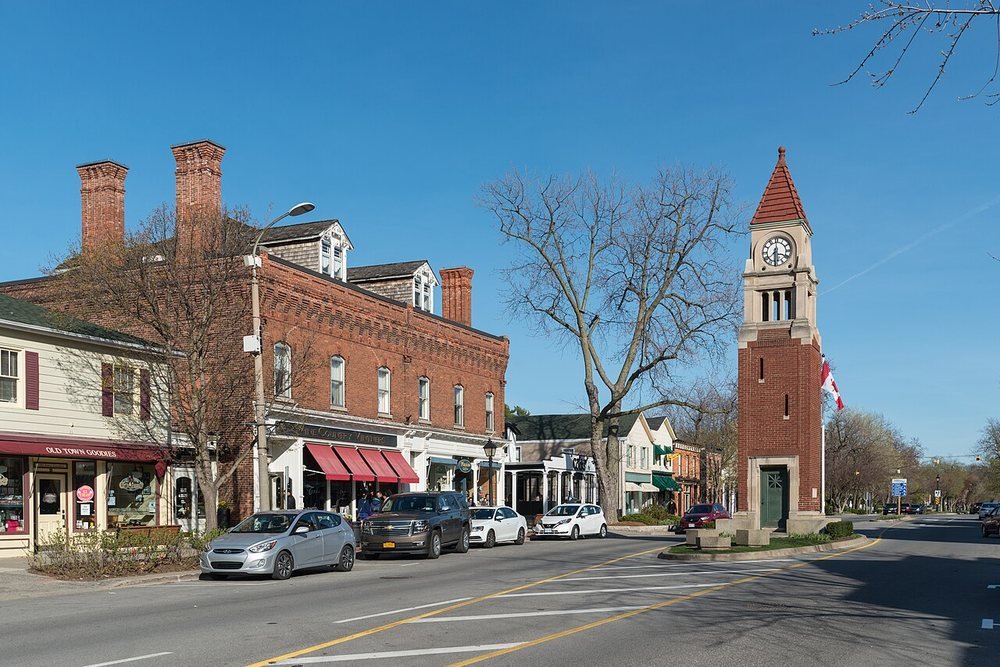
*Boat cruises to the falls usually run from spring to late autumn, while the falls are illuminated every evening throughout the year.
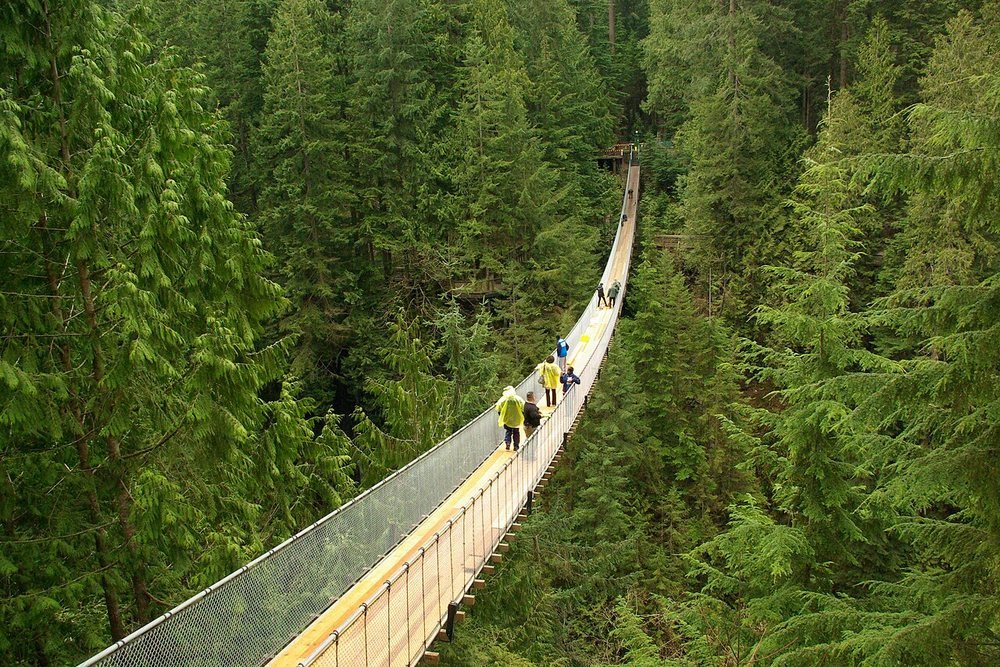
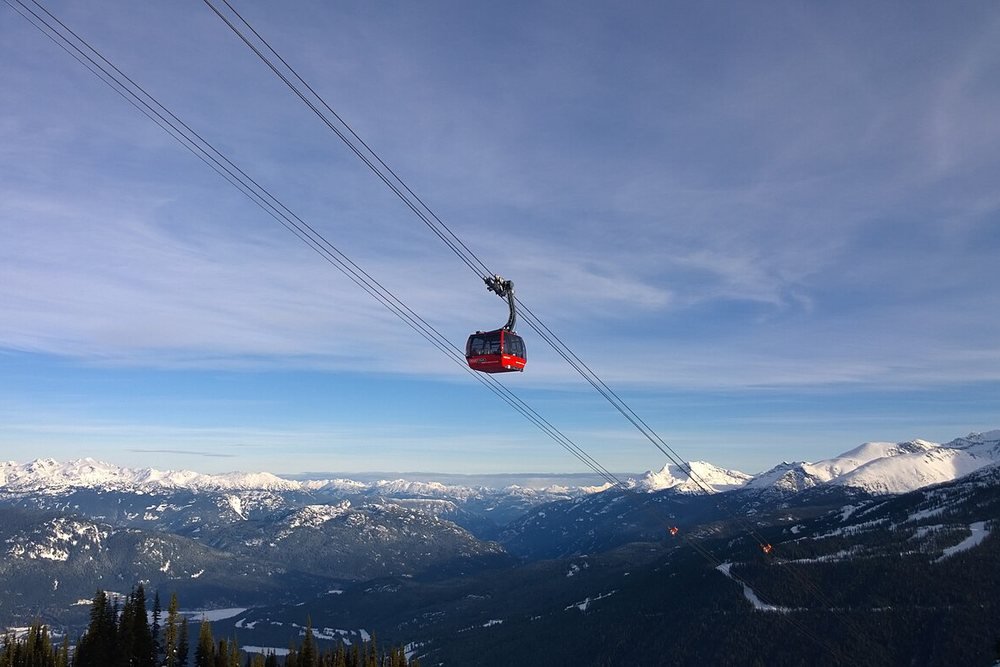
Vancouver sits between the Pacific and the Coast Mountains, with the Stanley Park seawall, Granville Island and the Capilano Suspension Bridge close to downtown. The scenic Sea-to-Sky Highway leads to Whistler, a 2010 Winter Olympics venue, for skiing in winter and the Peak 2 Peak Gondola, hiking and biking in summer.


Travel through the Rockies by daylight on this famous scenic train between Vancouver, Banff, Lake Louise and Jasper, usually from April to October.

Watch the aurora borealis light up the sky over Yellowknife or Whitehorse, best seen on clear, dark nights from late August to April.

Join a boat trip from Victoria or Vancouver to spot orcas and humpback whales, usually between April and October.

Ride a giant Ice Explorer onto the Athabasca Glacier, a highlight of the Icefields Parkway between Lake Louise and Jasper.

Ski or snowboard at Whistler Blackcomb, one of North America's largest ski resorts, from late November into spring.

See wild polar bears from tundra vehicles near Churchill, Manitoba, during the October and November bear season.

Paddle a red canoe across the glacier-fed waters of Lake Louise, with Victoria Glacier gleaming above, during the summer months.
*From scenic trains and glaciers to whales, polar bears and the northern lights, Canada offers unforgettable experiences for families, couples and groups alike.
Discover Canada's many cultures: First Nations powwows with drumming and dance, totem poles in Vancouver's Stanley Park, the French language and heritage of Quebec, the Changing of the Guard on Parliament Hill in summer, and festivals such as the Calgary Stampede and the Quebec Winter Carnival. Diwali and Vaisakhi are celebrated in style in Toronto and Vancouver too.


Canada is a year-round destination. Summer (June to August) is the best time for the Rockies, the lakes, Niagara boat cruises and city sightseeing. Autumn (September to October) brings brilliant fall colours to Ontario and Quebec. Winter (December to March) is ideal for skiing, the northern lights and winter carnivals, while spring (April to May) brings milder days and cherry blossoms in Vancouver.
Canada's climate varies widely by region. Summer days in Toronto, Montreal and Vancouver are usually around 20°C to 30°C, while the mountains stay cooler. Winters are cold and snowy across most of the country, often well below freezing, while Vancouver and Victoria stay milder and wetter.
Peak Season: June to September, for warm weather in the Rockies and at Niagara Falls, and the Christmas and New Year holidays.
Off-Peak Season: April to May and November, when there are fewer crowds and better hotel offers, though some mountain roads and attractions open only in June.
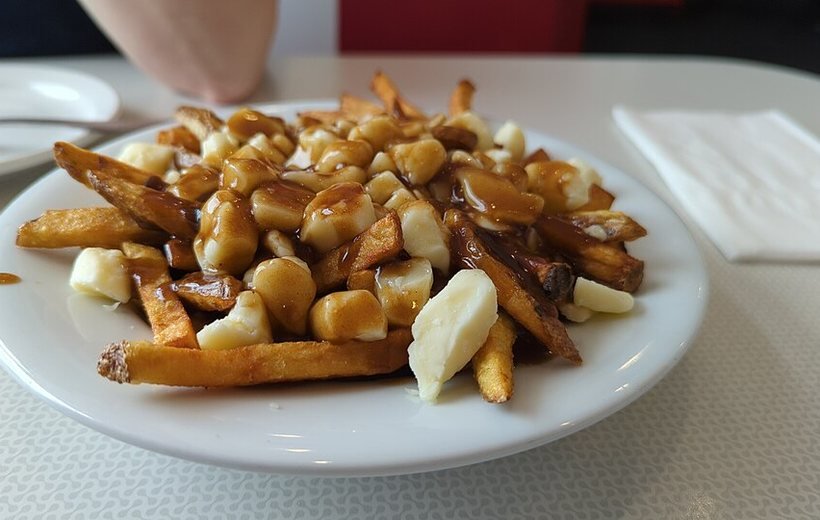
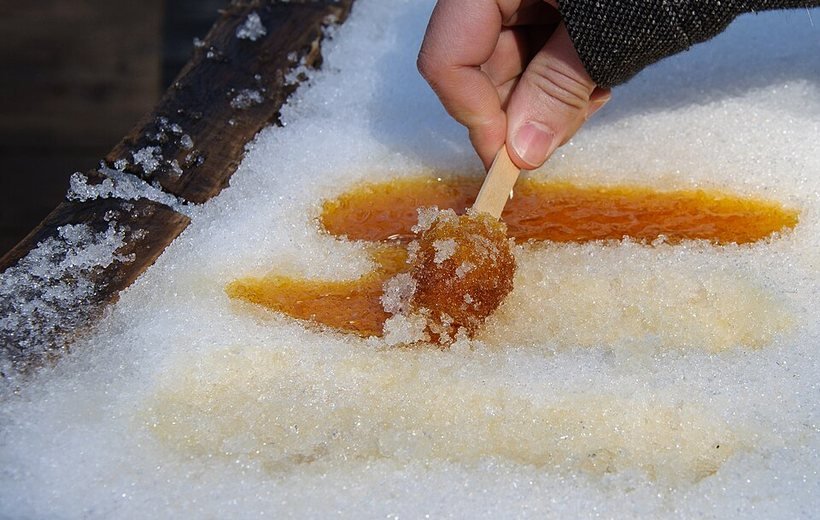
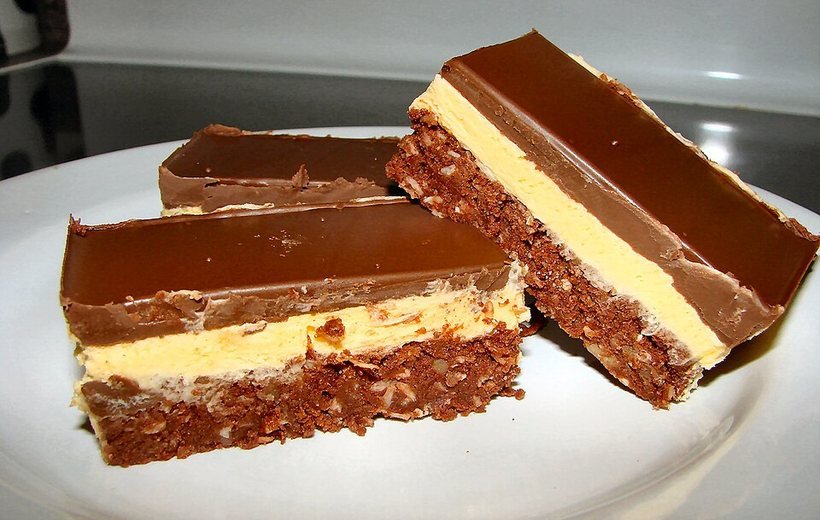
Canadian food reflects the country's many cultures. Try poutine – fries topped with cheese curds and gravy – maple taffy rolled on fresh snow, sweet butter tarts and Nanaimo bars, along with Atlantic lobster, Pacific salmon and Montreal bagels. Vegetarian and Indian food is easy to find, especially in Toronto and Vancouver.

Canada is well connected to India, with non-stop flights to Toronto and Vancouver and easy one-stop connections to Montreal, Calgary and other cities. Once you arrive, domestic flights, trains and scenic highways link the country's regions.
Non-stop flights link Delhi with Toronto and Vancouver in about 14 to 16 hours, and seasonal non-stop flights connect Mumbai with Toronto. One-stop connections via Europe or the Middle East serve other Indian cities and gateways such as Montreal and Calgary.
Indian passport holders need a Canadian visitor visa, applied for online, with biometrics given at a visa application centre in India. Processing can take several weeks, so apply early. Check current requirements before you travel; we assist with visa applications.
Cover long distances by domestic flight, take VIA Rail trains between Quebec City, Montreal, Ottawa and Toronto, and use the metro, SkyTrain and buses in the cities. Self-drive trips and coach tours are popular in the Rockies and around Niagara.


June to September is ideal for the Rockies, Niagara Falls and city sightseeing, and late September to mid-October for autumn colours in Ontario and Quebec. December to March is best for skiing, winter festivals and the northern lights.
Yes. Indian passport holders need a visitor visa, applied for online with biometrics. Processing times vary, so apply well in advance; our team can assist with your visa application.
Non-stop flights from Delhi to Toronto or Vancouver take about 14 to 16 hours. From other Indian cities, one-stop connections via Europe or the Middle East usually take around 20 hours or more, including the stopover.
A week covers Toronto, Niagara Falls and either the Rockies or Montreal and Quebec City. With 12 to 14 days, you can combine the east and the west, adding Vancouver, Whistler, Banff and Jasper.
Yes. Toronto, Brampton, Vancouver and Surrey have large Indian communities with many Indian and vegetarian restaurants, and vegetarian options are easy to find in most cities.
Fly into Calgary or Vancouver, then explore Banff, Lake Louise and Jasper by road along the Icefields Parkway, or travel through the mountains on the Rocky Mountaineer train.
Canada uses the Canadian dollar (CAD). Cards and contactless payments are accepted almost everywhere, and a tip of around 15 to 20 per cent is customary in restaurants.
English and French are the official languages. English is spoken across most of the country, while French is the main language in Quebec, where English is also widely understood in tourist areas.

: Subscribe to our newsletter and be the first to know about exclusive offers, new destinations, and travel tips.